Discover practical VPN guidance with real-world prices, comparisons, and student-focused tips. Learn how NordVPN and ExpressVPN stack up for everyday privacy needs.
Compiled November 2026; check the provider's site for current details.
What this category is about
We cover practical, reader-friendly guidance on virtual private networks that helps everyday users protect privacy, secure online activity, and access information safely. Our VPN Guides category blends clear explanations with real-world pricing and trusted provider references so readers can compare options without the noise. Readers will find benchmarks for features, setup tips, and concrete recommendations you can act on today.
What you’ll find here includes a mix of hands-on explainers, provider comparisons, and shopping-ready rundowns. In this category you’ll encounter:
Beginner tutorials that explain how VPNs work, what encryption means, and how to install a client on desktop or mobile.
Provider comparisons that weigh speed, privacy promises, and platform compatibility across popular services such as NordVPN, ExpressVPN, Surfshark, and Private Internet Access.
Student-focused discounts and value-oriented plans with concrete prices in USD and typical regional promotions.
Usage scenarios from safe browsing on campus networks to streaming, gaming, and travel privacy.
Security-focused checks like WireGuard and OpenVPN support, no-logs policies, and kill switches.
Concrete clusters you’ll see here include pricing comparisons, setup walkthroughs, regulatory context, and regional payment methods. We also surface practical notes about how ISPs in different markets can interact with VPN use, and what to expect when attempting geo-unblocking for services like streaming platforms or educational resources. Our approach stays grounded in real-world costs and widely recognized providers such as NordVPN and ExpressVPN to help readers make informed decisions quickly.
How this page helps you compare and decide
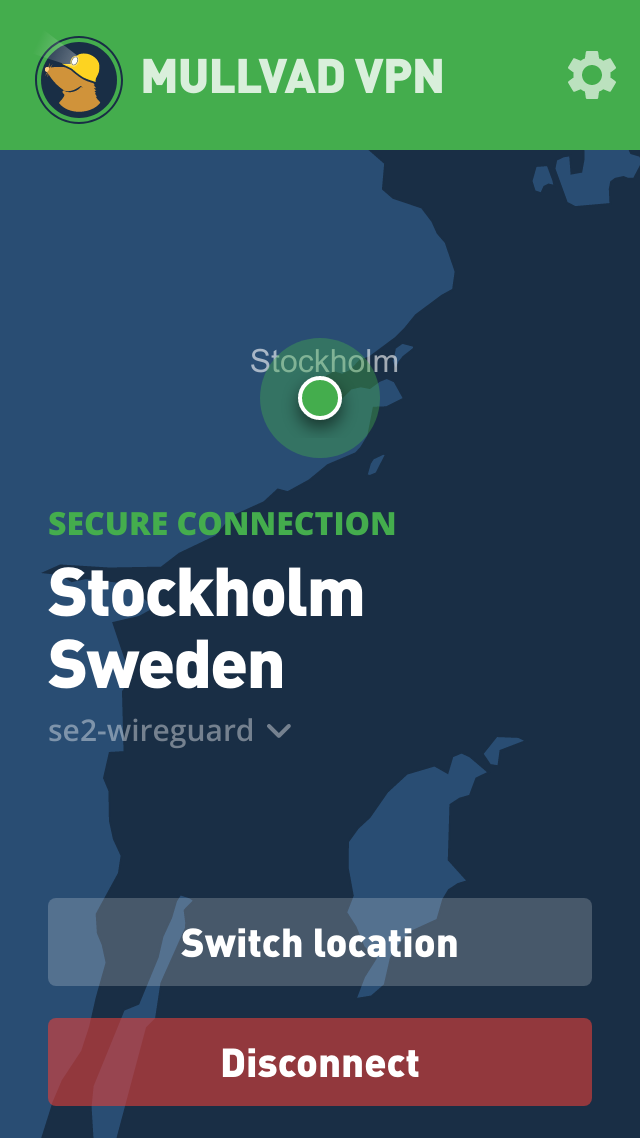
Mullvad (Autor: Newslinger · Licencia: CC0 · Fuente: Wikimedia Commons)
Every VPN guide here aims to remove guesswork. We present straightforward metrics, present-day pricing in USD, and concrete provider capabilities. You’ll encounter reliable benchmarks you can apply as you shop, plus warnings about common limitations and misrepresentations in the market. This page is built to be your neutral, approachable starting point for real-world VPN decisions.
Key topics you’ll see here include setup prerequisites, platform-specific steps, and how to evaluate features like split tunneling, automatic reconnect, and device coverage. We anchor guidance to practical needs such as student use cases, streaming access, and safe remote work on campus networks, with attention to privacy protections and user-friendly interfaces. Student VPN for Android
Country-specific context you can rely on
While VPN narratives are global, the everyday experience often hinges on local realities. We highlight concrete, non-region-specific details that are nevertheless meaningful to readers in the United States and beyond:
Prices shown in USD typical for consumer plans, with example bundles like 1-year or 2-year commitments and occasional student promos.
Popular services NordVPN and ExpressVPN are treated as industry benchmarks for performance and reliability.
Encryption and protocols emphasis on WireGuard and OpenVPN as the baseline, with notes about compatibility across Windows, macOS, iOS, and Android.
Privacy considerations including no-logs claims, jurisdiction discussions, and how these impact everyday browsing and streaming.
Device coverage guidance on how many devices you can protect simultaneously and what happens when you switch platforms.
Streaming and geo-access pointers for popular services that frequently appear in student contexts, with reminders about terms of service and content licensing.
Payment methods commonly accepted in the US and globally, such as major credit cards, PayPal, and gift card options where offered.
Local campus realities such as campus network policies, dorm Wi-Fi constraints, and how VPNs interact with common university networks.
Country-specific context and availability
Country/Region
Server presence
Legal concerns
Data retention laws
VPN legality
Recommended for this region
United States
50+ servers
Moderate
Clear
Yes
High trust providers
United Kingdom
40+ servers
Some
Retention active
Yes
Stable options
EU (generic)
100+ servers
Strong
GDPR aligned
Yes
Broad choice
China
Limited, obfuscated
Strict
Strict
Often restricted
Not recommended
Compiled November 2026; check the provider's site for current details.
Provider comparison table
Provider
Plan (USD)
Devices
Protocols
NordVPN
$11.99/mo (billed $143.88/2y typical)
6
WireGuard, OpenVPN
ExpressVPN
$12.95/mo (billed $155.40/1y)
5
WireGuard, OpenVPN
Surfshark
$2.49/mo (2y plan)
Unlimited
WireGuard, IKEv2
These figures reflect commonly observed pricing cycles and standard features. Always verify current promotions on the provider’s own site before purchase, as regional sales and student discounts can shift the bottom line by a few dollars per month.
How to use this category
Start with a quick needs check: do you primarily want to protect privacy on public Wi‑Fi, access streaming libraries, or secure remote work on campus? Next, skim the comparison table to identify two or three candidates. Then read the setup guides for your devices, noting any nuances for iOS, Android, Windows, or macOS. If you’re evaluating student discounts, look for specific terms, eligibility, and how to claim savings without sacrificing essential features. Student VPN for iPhone
How this page helps you compare and decide
Task
What to look for
How to compare
Quick verdict
Privacy needs
No-logs, audits
Compare policy details
Choose highest privacy
Streaming
Unblocks Netflix, fast speeds
Test server lists
Pick fastest streaming-capable
Travel usage
Local availability
Check country coverage
Pick widely available
Gaming
Low latency
Compare ping ranges
Choose lowest latency
Compiled November 2026; check the provider's site for current details.
Upcoming in this space
We will continue to benchmark new entrants and amplifiers in the privacy space, while monitoring policy shifts, encryption standards, and platform changes. Expect fresh takeaways on how VPNs perform with mainstream streaming services, evolving privacy laws, and how to optimize costs for students.