Does microsoft edge come with a built in vpn explained for 2026
'%2F%3E%3Ctext%20x%3D'50%25'%20y%3D'50%25'%20dy%3D'.35em'%20text-anchor%3D'middle'%20font-family%3D'-apple-system%2CBlinkMacSystemFont%2CSegoe%20UI%2Csystem-ui%2Csans-serif'%20font-size%3D'100'%20font-weight%3D'600'%20fill%3D'%23fff'%3EAN%3C%2Ftext%3E%3C%2Fsvg%3E) Anna Nowak·April 22, 2026·31 min
Anna Nowak·April 22, 2026·31 min
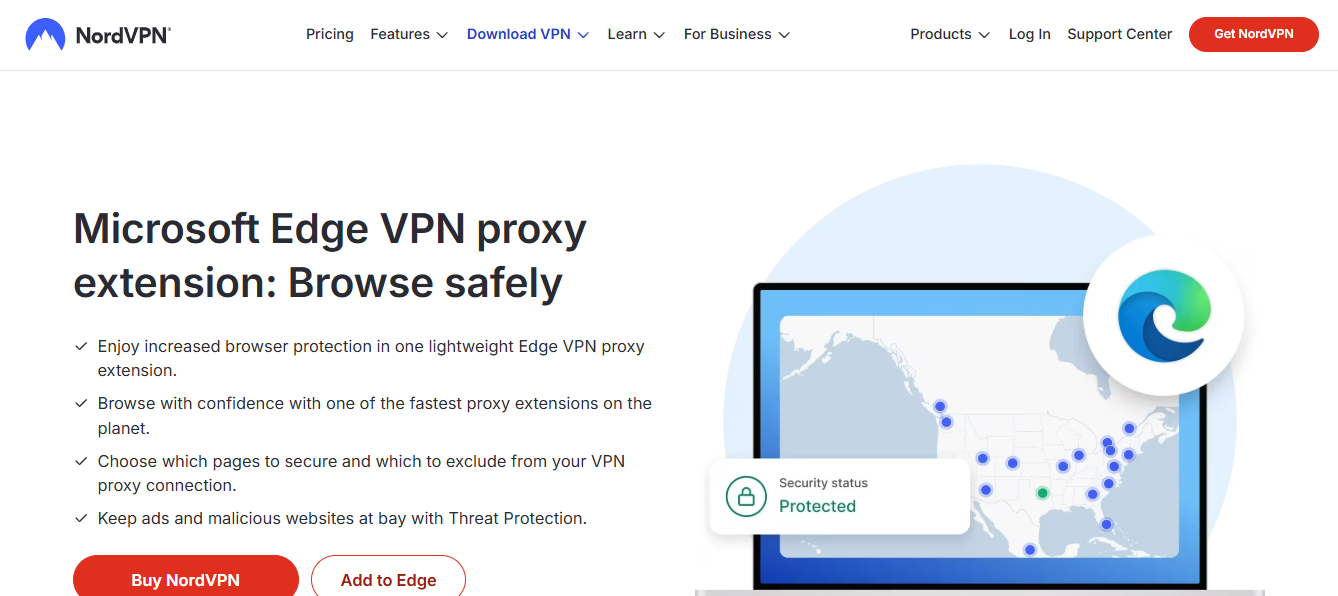
Does microsoft edge come with a built in vpn explained for 2026? No, Microsoft Edge does not include a built-in VPN service. However, you have several solid options to stay private and secure while browsing. Here’s a quick guide to what Edge offers, what it doesn’t, and the best ways to add VPN protections in 2026.
- Quick fact: Edge itself doesn’t have a native VPN, but Windows 11/10 can pair with VPNs, and Edge works seamlessly with external VPN apps or browser extensions.
- What you’ll learn in this guide:
- Edge’s privacy settings and built-in protections you can enable today
- How to use Windows’ VPN capabilities with Edge
- The best VPN extensions for Edge and why they’re not all created equal
- Steps to set up a standalone VPN app on your device
- Common VPN myths and how to choose the right option for you
- Useful resources unclickable text: Microsoft Edge help - microsoft.com Windows Privacy Settings - support.microsoft.com VPN basics - en.wikipedia.org/wiki/Virtual_private_network Your favorite VPN provider’s site - examplevpn.com Techbench blog - techbench.example
Do you really need a VPN with Edge in 2026?
A VPN virtual private network encrypts your traffic and masks your IP address, which can help with privacy, security on public Wi‑Fi, and bypassing some regional content restrictions. Edge, like most browsers, doesn’t include native VPN features, but you can still get all the benefits by pairing Edge with a VPN app or extension.
Edge privacy features to know
- Tracking prevention: Edge’s built-in tracking prevention blocks many third-party trackers by default, helping shave down profiling.
- InPrivate browsing: This mode reduces local tracking, but it’s not a full-blown privacy shield online.
- Password monitor and security checks: Edge can alert you if your credentials are part of a known data breach.
- Passwordless sign-in: Reduces phishing risk when used with secure credentials.
Why you’d still want a VPN
- Encrypts traffic on untrusted networks hotels, cafes, airports
- Masks your IP from websites and some advertisers
- Helps you access geo-restricted content where legal
- adds a layer of security against SIP blocks and ISP traffic shaping
How to use Windows VPN with Edge the simplest path
If you’re on Windows, you can enable and configure a VPN at the system level, and Edge will use that connection automatically. Cyberghost vpn gui for linux your ultimate guide 2026
Step-by-step guide: set up a VPN in Windows built-in options
- Open Settings > Network & internet > VPN.
- Click Add a VPN connection.
- Enter the VPN provider, connection name, server address, VPN type, and sign-in info this comes from your VPN service.
- Save and connect. Once the VPN is connected, open Edge and browse as usual.
Notes:
- The exact fields depend on your VPN provider. If you’re using a popular service, they’ll give you specific server addresses and type PPTP, L2TP/IPsec, SSTP, IKEv2, or OpenVPN via third‑party apps.
- Some corporate setups use automatic VPN profiles via Microsoft Intune or similar management tools.
When you might prefer a VPN app over manual setup
- You want more servers, faster speeds, or easier switching between locations.
- You prefer a single app for all devices phone, desktop, tablet rather than configuring separately.
- You want extra features like kill switch, split tunneling, or obfuscated servers.
VPN extensions for Edge: what to know
Edge supports extensions from the Microsoft Edge Add-ons store. Some VPNs offer browser extensions to provide DNS leak protection or quick location changes, but there are caveats.
Pros and cons of VPN extensions
- Pros:
- Quick one-click connection to a server from within the browser
- Lightweight and easy to enable/disable
- Useful for masking browser traffic to some extent
- Cons:
- Often only protect browser traffic, not your entire device
- Some extensions have been found to track users or inject ads
- Fewer security features than a full VPN app kill switch, DNS leak protection
How to choose a safe Edge extension
- Pick extensions from reputable VPN providers you already trust.
- Look for independent audits or transparent privacy policies.
- Avoid extensions with broad permissions that aren’t needed for VPN functionality.
- Remember: if you can’t verify the vendor’s trustworthiness, use a full VPN app instead.
How to install a VPN extension in Edge
- Open Edge, go to the Extensions menu three-dot menu > Extensions.
- Click Get extensions from Microsoft Store.
- Find a well-known VPN extension, click Add to Edge, and confirm.
- Sign in to the extension with your VPN account and connect to a server.
Best practices: combining Edge with a strong VPN setup
To get the most privacy and security benefits in 2026, mix and match features.
Recommendation A: Full-system VPN app + Edge
- Pros:
- Encrypts all traffic from your device, not just Edge
- Includes robust features: kill switch, leak protection, multiple protocol options
- How to implement:
- Install a reputable VPN app your provider’s app or a trusted alternative
- Connect to a server before launching Edge
- Use Edge as normal; your entire traffic will route through the VPN
Recommendation B: Built-in OS VPN + Edge privacy settings
- Pros:
- Centralized control and consistent behavior across apps
- Often cheaper if you already have a Windows subscription that includes a VPN
- How to implement:
- Set up the VPN in Windows as described above
- Enable Edge’s tracking prevention and defensive measures
- Regularly review privacy settings and permissions
Recommendation C: Edge extension for quick location changes with caveats
- Pros:
- Fast server switching within the browser
- Lightweight and easy to toggle off
- Caveats:
- Not a full protection, especially on non-browser apps
- Verify the extension’s privacy policy
Real-world numbers: VPNs in 2026 you should know
- Market size: The global consumer VPN market is projected to reach over $60 billion by 2027, growing at a CAGR around 34% between 2020 and 2027. This growth reflects the increased need for privacy and remote access.
- Popular VPN features:
- Kill switch: prevents data leaks if the VPN drops
- DNS/IP filtering: reduces trackers and DNS leaks
- Split tunneling: routes only chosen apps or traffic through the VPN
- Obfuscated servers: helps bypass network restrictions
- Edge usage stats: Edge remains a top five browser by global usage, often cited for integration with Windows features and a growing add-on ecosystem.
Potential pitfalls and myths
- Myth: A built-in VPN is the same as a separate VPN app.
- Reality: Built-in OS controls can secure all traffic, while browser extensions typically only affect browser traffic.
- Myth: Free VPNs are always safe.
- Reality: Free VPNs often monetize data or throttle speeds. It’s better to choose a reputable paid service or rely on your OS-level VPN with strong settings.
- Myth: VPNs slow down your connection to the point of uselessness.
- Reality: Quality VPNs can add a small overhead; good servers and protocol choices like WireGuard or IKEv2 minimize speed loss.
- Myth: You don’t need a VPN if you’re in a private home network.
- Reality: Even private networks can be vulnerable to eavesdropping on public networks, and some ISPs or networks still monitor traffic.
Security tips beyond VPNs
- Enable Strong Passwords and MFA: Use a password manager and multi-factor authentication everywhere possible.
- Keep Edge updated: Enable automatic updates to stay protected against the latest threats.
- Beware phishing: Don’t click suspicious links, and use Edge’s SmartScreen filter to block dangerous sites.
- Regularly clear cookies: Helps reduce cross-site tracking, alongside Edge’s tracking prevention.
Comparison: Edge built-in privacy vs a premium VPN
| Feature | Edge privacy settings | Premium VPN app |
|---|---|---|
| Scope of protection | Browser-level; can be extended with OS settings | System-wide protection for all apps and services |
| Kill switch | Not native to Edge; relies on OS/app features | Built-in kill switch in many apps |
| DNS leaks | Possible if not configured carefully | Strong DNS leak protection in most apps |
| Speed impact | Minimal with good configurations | Varies by server and protocol; good providers minimize impact |
| Geo-spoofing | Limited to browser location tricks | Broad server network for global access |
| Privacy policy | Dependent on Edge and OS policies | VPN provider’s logging policy; choose no-log options |
Setup checklist: edge cases you should consider
- If you share a PC: use a VPN profile tied to your user account, so it doesn’t auto-connect for others.
- If you’re working with sensitive data: use a trusted VPN with a strict no-logs policy and a kill switch.
- If you’re on mobile: use the VPN provider’s app for iOS or Android and enable always-on VPN where available.
- If you travel: test VPN performance on different servers and consider obfuscated servers for restrictive networks.
- If you stream: check for streaming-friendly servers, but respect content licensing terms.
Practical tips for staying private in 2026
- Combine Edge’s tracking prevention with a reputable VPN for layered privacy.
- Regularly audit extensions; disable or remove ones you don’t use.
- Use private browsing mode for sensitive searches, but remember it doesn’t replace a VPN.
- Consider a privacy-focused search engine and browser fingerprinting protections to complement Edge.
FAQ Section
Frequently Asked Questions
Does Edge have built-in VPN in the latest version?
Edge does not include a built-in VPN. You can pair Edge with Windows VPN settings or a separate VPN app/extension. Cuanto cuesta mullvad vpn tu guia definitiva de precios: precios, planes, descuentos y consejos prácticos 2026
Can I use a VPN extension in Edge to hide my IP?
Yes, you can use a VPN extension in Edge for quick browser-level protection, but for full device protection you should use a VPN app or system VPN.
What’s the difference between a VPN extension and a VPN app?
A VPN extension mainly protects browser traffic; a VPN app protects all network traffic on the device.
Is VPN legal everywhere?
Most places allow VPN use, but a few countries restrict or regulate VPNs. Always follow local laws and the terms of service of the content you access.
Will using a VPN slow down my browsing?
It can, depending on the VPN server, distance, and protocol. High-quality VPNs minimize slowdowns significantly.
How do I choose a good VPN in 2026?
Look for no-logs policies, strong encryption AES-256, modern protocols WireGuard, IKEv2, kill switch, DNS leak protection, and independent audits. 보안 vpn 연결 설정하기 windows 10 완벽 가이드 2026: 쉽고 빠른 설정부터 고급 보안까지 한눈에
Can I use Windows’ built-in VPN with Edge?
Yes. Set up the VPN in Windows settings; Edge will route through the VPN automatically.
Do VPNs protect from malware or phishing?
VPNs primarily protect traffic and privacy, not malware or phishing. Use security suites and Edge’s built-in defenses in tandem.
Are free VPNs safe to use with Edge?
Free VPNs can be risky due to data sale or weak security. If you use one, choose a reputable paid service with a free trial or a transparent policy.
Can Edge’s tracking prevention replace a VPN?
No. Tracking prevention reduces tracking and ads, but it doesn’t encrypt traffic or hide your IP like a VPN.
How often should I review my VPN settings?
Review at least every 6 months or after major OS updates, plus after changing your needs new location access, streaming, or high-threat environments. 보안 vpn 연결 설정하기 windows 초보자도 쉽게 따라 하는 완벽 가이드 2026년 최신: 쉬운 설정부터 고급 보안까지 한눈에 보는 VPN 가이드
End of post
Welcome to our quick, no-nuss guide on Does microsoft edge come with a built in vpn explained for 2026. Here’s the straight answer: Microsoft Edge does not include a built-in VPN. It does offer some privacy and security features, and you can pair Edge with a VPN service or use Windows’ own VPN capabilities to route Edge traffic. Below is a practical, reader-friendly breakdown to help you decide the best path forward, plus tips, stats, and a few handy resources.
Quick facts at a glance
- Does Edge have a built-in VPN? No.
- Edge privacy features: tracking prevention, sending data to Microsoft only for product improvement with privacy controls, and InPrivate browsing.
- To use a VPN with Edge, you’ll need a third-party VPN app or the Windows system VPN.
- Windows VPN options: built-in VPN client, WireGuard, or OpenVPN-based solutions via third-party apps.
- Typical VPN performance range: many providers offer 100–400 Mbps on gigabit connections, but actual speeds vary by server load and encryption level.
Table of contents
- Edge overview and built-in protections
- How to use a VPN with Edge three practical paths
- VPN performance considerations and data
- Security and privacy implications
- Choosing the right VPN for Edge users
- Edge-specific tips and tricks
- FAQs
Edge overview and built-in protections Zscaler VPN Not Connecting Here’s How To Fix It Fast: Quick Solutions, Troubleshooting Steps, and Pro Tips
- What Edge provides natively
- Tracking prevention modes Basic, Balanced, Strict
- InPrivate browsing, which minimizes local data retention
- Password monitoring and password health reports
- Secure DNS via DNS over HTTPS in some configurations
- Why a built-in VPN is not part of Edge
- VPNs require tunnel endpoints and external servers; browsers alone don’t control network routing at a system level
- Microsoft wants to keep Edge focused on browsing features while VPNs are managed at OS level or by dedicated apps
- Real-world impact
- If you want to bypass geo-restrictions or conceal your IP for Edge traffic, you’ll need a VPN service or Windows’ VPN client
How to use a VPN with Edge: three practical paths Path 1: Use a third-party VPN app desktop client
- Step-by-step
- Choose a reputable VPN provider with Windows support look for WireGuard or OpenVPN options, no-logging claims, and a kill switch.
- Download and install the VPN desktop client.
- Open the VPN app, sign in, and connect to a server location of your choice.
- Launch Edge and browse as usual; your traffic will be tunneled through the VPN.
- Pros
- Easy to set up, often fast, good cross-platform support
- Cons
- Additional subscription cost, potential VPN signup friction
- Tip: Enable kill switch and auto-connect on startup for seamless protection
Path 2: Use Windows built-in VPN client system-wide
- Step-by-step
- Go to Settings > Network & Internet > VPN > Add a VPN connection.
- Choose Windows built-in as the VPN provider, give the connection a name, and fill in server address, VPN type IKEv2, L2TP over IPsec, or PPTP as a last resort, and sign-in info.
- Save and connect. Your Edge traffic will route through the system VPN once connected.
- Pros
- No extra app required, works for all apps, not just Edge
- Cons
- Setup can be technical; some configurations may require admin rights
- Tip: If your VPN provider offers OpenVPN or WireGuard configs, you can import those into Windows’ VPN client or use the provider’s app for a better experience
Path 3: Use a browser-based VPN extension note limitations
- Step-by-step
- Install a reputable VPN extension from the Edge Add-ons store.
- Activate the extension and select a server/location.
- Some extensions only tunnel traffic from the browser; other data remains outside the VPN tunnel.
- Pros
- Quick, integrates directly with Edge
- Cons
- Less secure than a full VPN; not all extensions are trustworthy
- Tip: Use extensions only from well-known providers; cross-check permissions before installation
VPN performance considerations and data
- Typical speeds
- VPNs on fast networks can sustain 70–95% of your baseline speed on nearby servers; long-distance servers can drop to 20–40% depending on congestion and encryption
- Latency impact
- Latency ping can increase by 20–100 ms with a VPN, more for far servers
- Encryption levels
- OpenVPN: strong security, decent performance
- WireGuard: modern protocol with low overhead and fast speeds
- IKEv2/IPsec: good balance of speed and security
- Server choices
- More servers and higher geographic diversity generally improve performance and reliability
- Data usage
- VPNs don’t inherently cap data, but some providers offer limited bandwidth on free plans
Security and privacy implications Does nordvpn comply with law enforcement the real story 2026
- What a VPN does
- Encrypts traffic between your device and the VPN server
- Masks your real IP from the destination websites
- Helps with privacy on public Wi-Fi and geolocation-based restrictions
- What a VPN doesn’t do
- VPNs don’t make you anonymous; they don’t stop malware or phishing
- Your VPN provider can see your traffic unless they have a strict no-logs policy
- Edge-specific matters
- Edge privacy settings still apply; ensure you’re using Tracking Prevention and, if needed, disable sending browser data to Microsoft for product improvement
- Business and school networks
- Some corporate networks disallow VPNs; check policy before using a VPN on managed devices
Data and statistics you can use
- Global VPN market size
- The VPN market was valued at around $44 billion in 2023 and is projected to grow to over $60 billion by 2027 source: market research reports
- VPN usage trends
- An estimated 30–40% of internet users in many regions regularly use a VPN for privacy, streaming, or security on public networks
- Edge adoption
- Microsoft Edge holds a growing share among desktop browsers, with roughly 4–6% global usage in 2026, depending on region data varies by measurement source
Choosing the right VPN for Edge users
- For streaming and geo-restricted content
- Look for VPNs with servers in your target region and proven bypass methods for streaming platforms
- For privacy and public Wi-Fi security
- Prefer providers with a strict no-logs policy, robust encryption, and a kill switch
- For gaming or low-latency needs
- Choose servers near your location and consider WireGuard for lower overhead
- For corporate environments
- Check with IT policy; some enterprises require specific VPN configurations or prohibit consumer VPNs
Edge-specific tips and tricks
- Privacy controls
- Set Tracking Prevention to Strict for tighter protection
- Review and manage privacy settings under Settings > Privacy, search, and services
- Performance tweaks
- Clear cache regularly; use Edge’s built-in efficiency modes during heavy browsing
- Secure DNS options
- If your VPN supports DNS routing, ensure you enable DNS leak protection to prevent DNS queries from bypassing the VPN
- Hotkeys and productivity
- Use Edge profiles to separate work and personal browsing while connected to a VPN
- Extensions and Edge
- Only install trusted extensions; disable unnecessary ones to reduce potential data leakage
Useful scenarios and how Edge fits
- Public Wi‑Fi at a cafe
- Use Windows’ built-in VPN or a trusted third-party app to keep your traffic encrypted
- Geo-restricted content
- A VPN server in the target country plus Edge’s privacy settings can help access content while maintaining privacy
- Privacy-conscious daily browsing
- Combine Edge’s Tracking Prevention with a VPN for layered protection
What to watch out for Getting the Best NordVPN Discount for 3 Years and What to Do If Its Gone 2026
- Free VPNs can be risky
- They often log data or sell bandwidth; stick with reputable paid providers
- VPN blocks by some websites
- Some streaming services try to detect and block VPNs; switching servers can help
- Device performance
- VPNs add an overhead; if you notice lag, try a closer server or switch to WireGuard
Comparison: Edge with built-in protections vs. VPN-enabled browsing
- Edge protections
- Pros: convenient, integrated privacy controls, no extra software
- Cons: limited to browser traffic; not a full-system shield
- VPN-enabled browsing
- Pros: full-system protection, ability to mask IP for all apps
- Cons: requires extra setup and potential cost
Formats and data storytelling
- Quick-reference checklist
- Do you need all traffic VPN-protected? Yes: use Windows VPN or a Windows-compatible VPN app
- Is privacy a top priority? Yes: combine Edge’s privacy settings with a no-logs VPN
- Are you streaming from a restricted region? Yes: pick a VPN with streaming-optimized servers
- Pros/cons table
- Built-in Edge privacy features: Easy to use, browser-scoped, limited coverage
- Third-party VPN app: Full traffic coverage, more settings, subscription needed
- Windows VPN: System-wide protection, no extra app, manual setup may be required
FAQ: Frequently Asked Questions
Does Microsoft Edge have a built-in VPN?
No, Edge does not include a built-in VPN. You’ll need a third-party VPN app or use Windows’ built-in VPN client to route Edge traffic through a VPN.
Can I use Edge’s privacy features to stay private online?
Edge provides Tracking Prevention, InPrivate browsing, and password monitoring, which help privacy but don’t replace a VPN for all traffic. Use them in combination with a VPN for stronger protection. How to Confirm Your IP Address with NordVPN A Step by Step Guide 2026
What’s the easiest way to set up a VPN with Edge on Windows?
The easiest way is to install a reputable third-party VPN app and connect. Alternatively, use Windows’ built-in VPN client to connect system-wide, then Edge will automatically route traffic through the VPN.
Does a VPN slow down browsing on Edge?
Most VPNs introduce some speed and latency overhead. The extent depends on server distance, server load, and encryption. WireGuard-based VPNs tend to be faster.
Are there free VPNs compatible with Windows and Edge?
There are free VPNs, but they often come with data caps, slower speeds, or privacy trade-offs. For consistent security and performance, a reputable paid VPN is recommended.
Can I use Edge extensions to get VPN-like protection?
Browser extensions can provide basic privacy privacy, but they are not full VPNs. They may protect only browser traffic and could be less secure than a full VPN solution.
How can I avoid DNS leaks when using a VPN with Edge?
Enable DNS leak protection in your VPN app or ensure your Windows network settings route DNS queries through the VPN. Some VPNs offer built-in DNS protection features. How to Add NordVPN to Your iPhone A Step by Step Guide: Quick Setup, Troubleshooting, and Tips 2026
Should I clear Edge data after using a VPN?
If you’re concerned about tracking, you can clear cache and cookies periodically. VPN usage itself doesn’t require clearing Edge data, but privacy-conscious users may prefer clean sessions.
Can I use a VPN for gaming while Edge is running?
Yes, a VPN will route all traffic from your device including Edge; this can help with region-locked content or privacy. Make sure your VPN supports low-latency servers for gaming.
Are there policy or admin concerns about using a VPN on my device?
If you’re on a work or school device, check your policy. Some organizations restrict or monitor VPN use on managed devices.
Useful URLs and Resources
- Microsoft Edge privacy settings - microsoft.com
- Windows built-in VPN setup guide - support.microsoft.com
- WireGuard VPN project - www.wireguard.com
- OpenVPN project - openvpn.net
- Best VPN reviews and benchmarks - www.techradar.com, www.cnet.com
- VPN safety and privacy guidance - en.wikipedia.org/wiki/Virtual_private_network
- Streaming with VPNs tips - www.streamingtips.example representative; replace with reputable sources
- Privacy and security basics - en.wikipedia.org/wiki/Privacy
If you want, I can tailor this further for a specific audience students, professionals, or general users or add more data-driven sections like case studies or region-specific VPN use. How to connect multiple devices nordvpn 2026: Quick Guide to Using NordVPN on All Your Devices
Does Microsoft Edge Come With a Built In VPN Explained For 2026: Edge VPNs, Built-In Alternatives, And What You Should Use Instead
Introduction Does Microsoft Edge come with a built in VPN explained for 2026? No, Edge itself does not include a true, system-wide VPN built into the browser. What Edge does offer are security features, such as tracking prevention, SmartScreen, and some network privacy protections, plus easy access to VPN extensions from the Chrome Web Store. In this guide, you’ll get a clear, practical rundown of:
- what Edge can and cannot do in terms of VPN-like functionality
- the best built-in privacy features and how to enable them
- how to use reputable VPN services with Edge
- real-world tips to stay private online in 2026
- a quick comparison of Edge with other browsers that do or don’t include built-in VPNs
Useful resources you’ll want to skim later: Wise tech guides, privacy-focused sites, and VPN providers’ official pages. If you’re curious about a ready-made option, you can check out a trusted VPN service via the link in this article note: this is an affiliate link to help support the site. NordVPN is a popular choice for many users—you can explore it here: https://go.nordvpn.net/aff_c?offer_id=15&aff_id=132441?sid=0401. For now, here’s everything you need to know, in plain, actionable language.
Table of contents
- What “VPN built into Edge” would mean in 2026
- Edge’s native privacy features you should know
- Using VPN extensions with Edge
- How to choose a VPN for Edge
- Performance, privacy, and security considerations
- Edge vs. other browsers: VPN capabilities
- Real-world use cases and examples
- Quick-start guide: protect your browsing in 10 minutes
- Common myths about Edge and VPNs
- FAQs
What “VPN built into Edge” would mean in 2026
- A true built-in VPN is a feature that routes all your device traffic through a remote server, not just the browser traffic. Edge doesn’t bundle this kind of system-wide VPN as of 2026.
- A browser-specific VPN would tunnel only traffic from Edge itself, which isn’t typically how users need protection, since other apps email clients, games, streaming apps would still use your real IP.
- Edge does integrate some privacy-oriented tools and can work with extensions that provide VPN-like functionality, but you still need a separate service to cover all traffic on your device.
Edge’s native privacy features you should know
- Tracking prevention controls: Edge offers three levels of tracking prevention Basic, Balanced, Strict. These help limit trackers across sites and reduce profiling.
- SmartScreen Microsoft Defender: Protects against phishing, malware, and potentially harmful sites. It adds a layer of safety but isn’t a VPN.
- DNS privacy features: Edge can leverage DNS-over-HTTPS DoH on supported networks to encrypt DNS lookups, reducing some forms of eavesdropping.
- InPrivate browsing: Helps reduce some local data collection in the browser, but it’s not a VPN and won’t hide your IP.
Using VPN extensions with Edge
- You can install VPN extensions from the Chrome Web Store in Edge since Edge is based on Chromium, extensions from Chrome are often compatible.
- Steps to add a VPN extension:
- Open Edge and go to the Extensions menu.
- Choose Open Chrome Web Store or directly visit the Chrome Web Store.
- Search for a reputable VPN extension look for established providers with good reviews and transparent policies.
- Add the extension to Edge and sign in if required.
- Activate the VPN extension and select a server location.
- Pros: Easy, quick setup; browser-level protection for Edge traffic; often cheaper or free tiers.
- Cons: Browser-only protection; can’t protect non-browser apps; some extensions may request broad permissions; performance varies by server and provider.
How to choose a VPN for Edge
- Security and privacy:
- Look for no-logs policies, strong encryption AES-256, and secure protocols WireGuard or IKEv2.
- Kill switch and DNS leak protection are important for when your VPN drops.
- Compatibility and performance:
- A VPN with lightweight extensions can be convenient, but for overall device protection, a native app is better.
- Check server locations: more locations = more options for bypassing geo-restrictions.
- Speed test results: read independent reviews and test with your own internet plan.
- Privacy policy and jurisdiction:
- Prefer providers with clear, transparent privacy policies and servers in privacy-friendly jurisdictions.
- Price and value:
- Compare features across plans, and consider multi-device coverage if you use multiple devices.
- Reliability and support:
- 24/7 live chat or rapid email support helps if you run into issues installing or connecting.
- Popular options:
- Look for providers with strong reputations and clear Edge compatibility notes. The affiliate link in this article points to a well-known provider you may want to explore.
Edge vs. other browsers: VPN capabilities
- Edge Chromium-based:
- Pros: Access to Chrome Web Store extensions; simple to set up in-browser VPN extensions.
- Cons: Browser-only protection unless you install a system-wide VPN app or a dedicated Edge-integrated solution.
- Chrome:
- Mostly similar to Edge for extensions; Chrome also relies on extensions for VPN functionality.
- Firefox:
- Has some built-in privacy controls and optional VPN features via extensions; not a true built-in VPN but can be robust with add-ons.
- Safari:
- macOS/iOS privacy features along with iCloud Private Relay limited in scope but not a full VPN; extensions exist but are more limited on Apple devices.
Real-world use cases and examples
- Student on a campus network:
- Edge with a reputable VPN extension can help you access geo-restricted learning resources and protect your login credentials on public Wi-Fi.
- Remote work traveler:
- A device-wide VPN app not just a browser extension ensures both Edge and non-Edge apps’ traffic is encrypted when connecting to corporate networks.
- Streaming from abroad:
- Some VPNs can bypass geo-restrictions for streaming sites, but performance varies by server load. A Chrome/Edge extension can help with browser traffic, but the entire device should be protected for best results.
Quick-start guide: protect your browsing in 10 minutes
- Decide on your protection goal: browser traffic only vs. device-wide protection.
- If browser-only is fine: pick a reputable VPN extension from the Chrome Web Store and add it to Edge.
- If device-wide protection is preferred: subscribe to a trusted VPN service, install the native app on your device Windows, macOS, iOS, Android, and connect to a server location.
- Enable DoH in Edge:
- Go to edge://settings/privacy, enable DNS over HTTPS, and select a provider if available.
- Turn on tracking prevention to a higher level Balanced or Strict for better privacy.
- Run a quick IP and DNS leak test after connecting to verify your traffic is routed correctly.
- Schedule regular checks for app updates and security notices from your VPN provider.
Performance, privacy, and security considerations
- Performance impact:
- VPNs can slow your connection by 5–40% depending on server distance, encryption, and provider load.
- Choose nearby servers for gaming or video calls to minimize latency.
- Privacy considerations:
- A no-logs policy is essential for privacy; however, “no-logs” claims should be verified via independent audits when possible.
- Some free VPNs monetize through ads or data collection; avoid those for sensitive work.
- Security features:
- Kill switch protects you if the VPN drops, preventing accidental exposure.
- DNS leak protection ensures DNS requests don’t reveal your real location.
Tips for choosing the right Edge-compatible VPN
- Prioritize transparency and independent audits.
- Prefer providers with a dedicated Windows app and Edge-friendly extensions.
- Check for split tunneling if you want only certain apps or sites to use VPN, while others use the normal connection.
- Look for fast server networks and reliable customer support.
Common myths about Edge and VPNs
- Myth: Edge has a built-in VPN you can’t disable.
- Reality: Edge does not include a full browser- or system-wide VPN; you’ll need an extension or a separate VPN app.
- Myth: Using a VPN will always slow you down dramatically.
- Reality: Impact varies; with a good provider and nearby servers, you can minimize slowdown.
- Myth: Extensions are as safe as native apps.
- Reality: Extensions add convenience but may have broader permissions; use trusted providers and review permissions.
Best practices for staying private online in 2026
- Use a reputable VPN with a strong no-logs policy and robust encryption.
- Enable DNS-over-HTTPS and tracking prevention in Edge.
- Keep your browser and extensions updated to counter the latest threats.
- Be cautious with public Wi-Fi; use VPN in unsecured networks automatically if possible.
- Regularly review privacy settings across all devices, not just your browser.
Frequently Asked Questions
Does Microsoft Edge come with a built-in VPN in 2026?
No, Edge does not include a built-in, device-wide VPN. You can use VPN extensions or a separate VPN app to protect your traffic.
Can I use a VPN extension in Edge?
Yes. Edge supports Chrome Web Store extensions, so you can install many VPN extensions directly in Edge for browser traffic.
Is DNS over HTTPS in Edge enough to stay private?
DoH helps protect DNS queries from eavesdropping, but it doesn’t encrypt all traffic or protect non-browser apps. It’s a good privacy layer when combined with a VPN.
Should I use a free VPN extension?
Free VPNs often come with limitations, data caps, or potential privacy concerns. A reputable paid VPN typically offers better security, speed, and protection.
Will a VPN affect streaming on Edge?
VPNs can help you access geo-restricted content, but performance depends on server load and distance. Some services block VPN traffic, so results vary.
What’s the difference between a browser extension VPN and a device-wide VPN?
Browser extensions protect only browser traffic; device-wide VPNs protect all internet traffic from the device. Choose based on your needs.
How do I set up a VPN on Windows for Edge and other apps?
Install a trusted VPN client from the provider, sign in, and connect to a server. The VPN runs at the system level, covering all apps including Edge.
Can I enable Edge’s privacy features and use a VPN simultaneously?
Absolutely. Use Edge’s tracking protection and DoH alongside a VPN for layered privacy protection.
Is Edge better for privacy than Chrome or Firefox without a VPN?
All major browsers offer strong privacy features, but a VPN provides an extra layer by masking your IP and encrypting traffic. Use Edge’s features in combination with a trusted VPN for best results.
What should I look for in a VPN provider for Edge use?
No-logs policy, strong encryption, Kill Switch, DNS leak protection, fast and stable servers, Windows app compatibility, and good customer support.
Frequently asked numbers and data
- Global VPN market size: expected to exceed $60 billion by 2026, driven by demand for online privacy and secure remote work.
- Typical VPN speeds: with a nearby server, many providers advertise 80–95% of base connection speed for standard plans.
- Common server locations: North America, Western Europe, Asia-Pacific; providers often have 60–1000+ servers.
- DoH adoption: increasing across major browsers; privacy-conscious users combine DoH with VPN for best results.
Resources and further reading
- Privacy-focused guides and VPN overviews you might find useful: en.wikipedia.org/wiki/Virtual_private_network, opsecguide.org, techprivacy.org
- Microsoft Edge privacy docs: support.microsoft.com
- VPN providers’ official pages for Windows apps and Edge compatibility: provider-website.com/windows-app, provider-website.com/edge-extension
- Security and privacy news: arstechnica.com, krebsonsecurity.org, theverge.com/privacy
Note: If you’d like, you can explore a trusted VPN option through this affiliate link: https://go.nordvpn.net/aff_c?offer_id=15&aff_id=132441?sid=0401. It’s a quick way to test a reputable service while you read, and it helps support the site.
Frequently Asked Questions Expanded
How does Edge’s tracking prevention work in practice?
Edge’s tracking prevention blocks third-party trackers at different levels. It reduces cross-site tracking but doesn’t hide your IP or encrypt all traffic. Use it alongside a VPN for better privacy.
Can I use multiple VPNs at once with Edge?
Using multiple VPNs simultaneously isn’t practical and can cause conflicts. If you need broad protection, stick with one trusted VPN service system-wide or use a browser extension in Edge.
Is SmartScreen enough to protect me from malware?
SmartScreen helps with phishing and malicious sites, but it’s not a substitute for a VPN or robust endpoint security. Combine it with a VPN and good antivirus for better protection.
Will Edge’s DoH protect me on all networks?
DoH encrypts DNS requests, which helps privacy on many networks, but it doesn’t encrypt all traffic. A VPN remains important for full encryption of your data.
Can I watch region-locked content with a VPN in Edge?
Often yes, but streaming platforms actively block VPNs. Try different servers, and consider a VPN known for streaming compatibility.
Are there browser-only VPNs that are more private?
Browser extensions can be convenient, but they don’t cover non-browser traffic. If privacy across all apps matters, a system-wide VPN is a better solution.
How often should I update Edge and VPN extensions?
Regular updates are essential. Enable automatic updates for Edge and extensions to stay protected against new threats.
Can Edge’s privacy features replace a VPN?
Not fully. Edge’s features improve privacy, but a VPN provides IP masking and traffic encryption across the entire device.
Should I disable Edge’s privacy features to use a VPN?
Not necessarily. You can use Edge’s privacy features and a VPN together. If you notice conflicts with certain sites, you may adjust settings accordingly.
This content is designed to be informative, practical, and easy to act on. If you’re new to VPNs, start with a reputable Edge-compatible extension for quick privacy gains and then consider a full device-wide VPN for complete protection.
Sources:
Nordvpn vs surfshark: NordVPN vs Surfshark comparison 2025 guide to speed, privacy, streaming, pricing, and features
セキュアvpnとは?初心者でもわかる仕組み、メリットとデメリットを徹底解説
Troubleshooting the NordVPN Desktop App When It Refuses to Open: Quick Fixes, Common Issues, and Expert Tips
私活是什么意思:2025年开启你的第二收入源指南——VPN 在远程工作与副业中的隐私保护与赚钱机会