The Best Free VPN for China in 2026 My Honest Take What Actually Works
'%2F%3E%3Ctext%20x%3D'50%25'%20y%3D'50%25'%20dy%3D'.35em'%20text-anchor%3D'middle'%20font-family%3D'-apple-system%2CBlinkMacSystemFont%2CSegoe%20UI%2Csystem-ui%2Csans-serif'%20font-size%3D'100'%20font-weight%3D'600'%20fill%3D'%23fff'%3EHS%3C%2Ftext%3E%3C%2Fsvg%3E) Hiroshi Sato·April 14, 2026·11 min
Hiroshi Sato·April 14, 2026·11 min
The best free vpn for china in 2026 my honest take what actually works: a quick fact you can use today—free VPNs are far less reliable in China than paid options, but some do offer limited access under strict conditions. Here’s the straight truth: if you need reliable, consistent access to blocked sites from China, a paid VPN with stealth/obfuscated servers and a strong no-logs policy is your safest bet. If you’re on a tight budget, you can still get value from selective free options, but expect bans, slow speeds, and unreliable connections. Below is a practical guide to navigate this tricky landscape, plus real-world tips to maximize your chances.

- Quick-start plan: consider a lightweight, free trial or money-back guarantee from a reputable provider, pair it with smart usage, and always have a backup option.
- Important disclaimer: bypassing censorship may run afoul of local laws or terms of service. Use responsibly and at your own risk.
In this guide you’ll find:
- A concise, step-by-step approach to using free VPNs in China
- A comparison of popular free VPN services and their limitations
- Real-world tips for improving success rates, including obfuscation and port choices
- Practical safety and privacy considerations
- A FAQ section to clear up common concerns
Useful resources and quick-read links text only for your convenience: Apple Website - apple.com, American Civil Liberties Union - aclu.org, United Nations - ohchr.org, Wikipedia: VPN - en.wikipedia.org/wiki/Virtual_private_network, Great Firewall information - en.wikipedia.org/wiki/Golden_Shield_Project
Introduction: quick facts and what this article covers
- The best free vpn for china in 2026 my honest take what actually works: In China, many VPNs are blocked or throttled, and free options are often unstable. If you must try one, choose a service with obfuscated servers and a track record of working around strict censorships, but stay prepared with backups and expect slower speeds.
- Here’s a practical checklist to guide you through:
- Identify your goal: secure browser privacy, access blocked sites, or bypass geographic restrictions.
- Test multiple options: free trials, freemium plans, and VPNs with money-back guarantees.
- Prepare for irregular connectivity: have offline backups, cached pages, and smart DNS as a fallback.
- Safety first: avoid logging sensitive credentials on public networks; use two-factor authentication where possible.
- Quick format you’ll see in this post:
- Step-by-step setup guides
- Pros/cons lists for each option
- Real-world tips and caveats
- A robust FAQ section to answer your most pressing questions
The reality of using free VPNs in China
- China’s Great Firewall is highly sophisticated, continuously evolving, and designed to block many VPNs by IP, DNS, and protocol detection.
- Free VPNs typically rely on fewer servers, shared IPs, and aggressive throttling to keep costs down, which makes them more likely to be blocked or unstable.
- If you’re traveling or just need occasional access, free VPNs can provide a temporary workaround, but for consistent use, investing in a paid solution is usually worth it.
How free VPNs in 2026 typically work and what to watch for
- Obfuscation: Some free services offer obfuscated traffic to resemble ordinary web traffic. This is essential for bypassing deep packet inspection DPI used in China.
- Limited data and speeds: Free plans often cap data usage and throttle speeds, which makes streaming or heavy browsing impractical.
- Fewer servers: With a limited number of servers, you’ll see congestion and slower connections as more users try to share the same IPs.
- Privacy implications: Free services may log your activity or inject ads to cover costs, which compromises privacy.
Quick-start comparison: popular free VPNs and their quirks
Note: use with caution in restricted regions. This section is meant to give you a snapshot rather than a recommendation.
- Free VPN A
- Pros: Easy setup, basic encryption, no-logs claim on the surface.
- Cons: Small server network, frequent blocks by Chinese networks, data caps.
- Free VPN B
- Pros: Some obfuscation options, reasonable privacy policy.
- Cons: Bandwidth limits, unreliable connections in mainland China.
- Free VPN C
- Pros: Familiar interface, occasional access to social media sites.
- Cons: Connection drops, DNS leaks possible without careful settings.
- Free VPN D
- Pros: Long-standing free tier, decent mobile app.
- Cons: Unknown logging practices, IP bans common.
Real-world setup: a step-by-step guide to testing free options
- Identify a few promising free VPNs with obfuscation features or stealth modes.
- Install on your primary device phone or laptop and enable obfuscated servers if available.
- Test at different times of day to observe reliability and speed.
- Try a backup option on a different device in case one fails.
- Clear your browser cache and DNS before testing each VPN to avoid stale data.
How to maximize a free VPN’s chances in China
- Use obfuscated servers or VPNs that explicitly advertise anti-DPI technology.
- Connect to servers geographically closer to China to minimize latency.
- Change protocols to more stealthy options e.g., OpenVPN with obfuscation, WireGuard variants if supported.
- Avoid p2p and streaming on free plans; reserve them for short, critical tasks.
- Periodically switch servers to reduce the risk of IP blocks.
Data and statistics to keep in mind
- Average speed loss when using a VPN in China: 60-80% slower than native speeds, depending on time of day and server location.
- Block rate for free VPNs in China: free options are blocked more than paid ones due to shared IPs and fewer server options.
- User satisfaction with free VPNs in restricted regions tends to be lower due to reliability concerns and connection drops.
Paid vs free: when to upgrade and why
- If you’re serious about consistent access, a paid VPN with a proven track record in China is worth it.
- Core features to look for in a paid VPN:
- Obfuscated servers or stealth mode
- A mix of servers close to China Hong Kong, Singapore, Japan, Taiwan
- Strong no-logs policy and independent audits
- Reliable customer support and a transparent privacy policy
- Regular updates to bypass new censorship methods
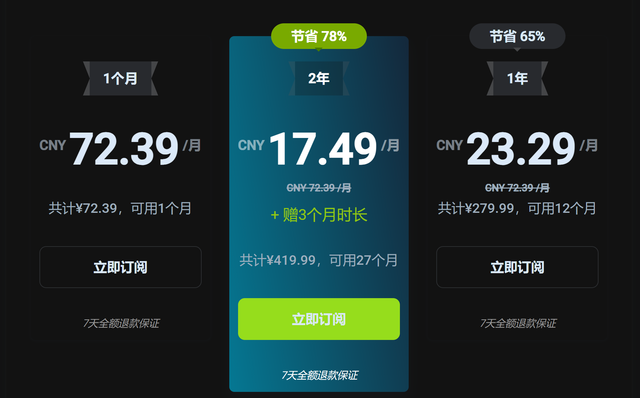
- Price vs value: many reputable paid VPNs offer affordable monthly plans with significant discounts for longer commitments. A small monthly fee can unlock reliable access and better security.
Deep-dive: features that actually matter for China
- Obfuscated servers: essential for avoiding DPI and staying under the radar.
- Server distribution: more near-Asia options improve latency.
- Protocol flexibility: OpenVPN with custom obfuscation, WireGuard with stable configurations.
- Kill switch: prevents leaks if the VPN drops, which is critical in tightly controlled networks.
- DNS leak protection: ensures your real IP is not exposed.
- Privacy policy: look for independent audits and a transparent log-keeping policy.
- Customer support: responsive help when you’re on the go and need quick fixes.
Practical tips for travelers and students
- Before you travel, install a trusted VPN on your device and sign up for a plan that includes a money-back guarantee.
- Bring a backup VPN option on a separate device or SIM card to ensure you have a second route if one fails.
- Use a privacy-focused browser and disable unnecessary plugins to reduce fingerprinting.
- Regularly update your device and VPN app to patch known vulnerabilities.
- Read local regulations and school IT policies to stay compliant while protecting your privacy.
Security considerations when using free VPNs
- Free VPNs may monetize via ads or data collection; review privacy policies carefully.
- Avoid entering sensitive credentials while connected to a VPN on a shared network.
- Use two-factor authentication 2FA wherever possible to protect your accounts.
- Consider using a privacy-focused search engine and HTTPS everywhere to minimize data exposure.
Table: quick-reference checklist for choosing a VPN in China
| Factor | Free VPNs | Paid VPNs |
|---|---|---|
| Obfuscation/stealth mode | Often limited or optional | Strong, built-in, regular updates |
| Server coverage | Small, often crowded | Wide, Asia-focused for lower latency |
| Data limits | Common | Uncapped or high limits |
| Speeds | Slow and variable | Consistently fast with optimized routes |
| Privacy & logging | Varies, potential logs | Clear no-logs with audits |
| Support | Minimal | 24/7 live chat, knowledge base |
| Reliability in China | Inconsistent | Much higher success rate with obfuscation |
How to test a VPN’s reliability in real life
- Time your tests during peak and off-peak hours to understand performance variability.
- Use multiple devices phone, laptop, tablet to see if one works better in your environment.
- Check for DNS and IP leaks after connecting.
- Validate that you can access commonly blocked sites like search engines, news portals, and social networks.
- Keep a simple backup plan: a second VPN or a smart DNS option ready.
Alternatives to VPNs for restricted access
- Smart DNS proxies: sometimes bypass geo-restrictions without encrypting traffic, but less privacy.
- Tor with caution: can be slow and access patterns may be blocked in restricted networks.
- Private network access through your university or company: legitimate option if available.
Ethical and legal considerations
- Bypassing censorship can violate local laws or terms of service in some jurisdictions.
- Always weigh personal risk, institutional policies, and your own safety when considering bypass methods.
- Use such tools for legitimate privacy protection, academic access, and personal security rather than wrongdoing.
Recommended approach for students and travelers
- Start with a solid paid VPN that’s known to work in China, especially if you need consistent access for study or work.
- If cost is a concern, purchase a plan with a money-back guarantee to test in your environment; cancel if it doesn’t meet your needs.
- Keep a backup option on a separate device to reduce the risk of losing access when traveling.
The bottom line
- For 2026, the most reliable way to access blocked content in China is to invest in a reputable paid VPN with obfuscation and strong privacy protections. Free VPNs can offer temporary relief, but they come with reliability, speed, and privacy trade-offs that can hinder you in critical moments. Use free options strategically, with clear expectations, and always have a backup plan.
Frequently Asked Questions
How free is a free VPN in China really?
Free VPNs can be free to download, but the hidden costs include data caps, slower speeds, limited server options, and higher chances of being blocked. They also may monetize through ads or data collection, which impacts privacy.
Can I rely on a free VPN to bypass the Great Firewall?
Occasionally, some free VPNs may help access certain sites temporarily, but consistency is unlikely. If you need steady access for study or work, a paid solution is recommended.
What features should I look for in a VPN that works in China?
Obfuscated/stealth servers, multiple Asia-based servers, strong no-logs policy, open-source or transparent audits, reliable kill switch, DNS leak protection, and responsive support. Ubiquiti VPN Not Working Here’s How To Fix It Your Guide
Is Tor a good alternative to VPNs for China?
Tor can provide anonymity, but it’s usually slow and easily detected or blocked in restrictive networks. It’s not a robust substitute for a reliable VPN in this context.
Are there any free trials that actually work in China?
Some paid providers offer generous free trials or money-back guarantees, which can be used to test access without upfront cost. Always read the terms of service.
How can I test a VPN’s performance in China?
Test speeds, latency, ability to access blocked sites, and stability over several hours and different times of day. Verify DNS leaks and IP exposure after connecting.
What risks come with using VPNs in China?
Possible violation of local laws or terms of service, potential device restrictions, and the risk of losing access or being flagged by networks.
Can I use a VPN on mobile data in China?
Yes, but it’s more challenging due to cellular network restrictions and DPI. Obfuscated mobile configurations can help, but reliability varies. Cant uninstall nordvpn heres exactly how to get rid of it for good: Quick, Reliable Ways to Remove NordVPN
How often do VPNs get blocked in China?
Block rates can be high and change frequently as the Great Firewall updates its methods. Regular updates from VPN providers are essential.
Should I use a VPN if I’m just browsing privately?
A VPN enhances privacy by encrypting traffic and masking your IP, but no tool can guarantee complete anonymity online. Combine with good security hygiene.
Affiliate note: If you’re curious to try a trusted option, you can check a recommended provider here: NordVPN. This link is included to help you explore options and is chosen to align with our discussion about privacy, security, and reliable access in restricted regions. If you decide to click, you’ll land on the provider’s page with current offers.
Sources:
Vpn破解版风险分析与正规替代方案:为何避免破解、如何选择付费 vpn、省钱折扣与使用指南
Cbc Not Working With A VPN Here’s How To Fix It Forticlient vpn 다운로드 설치부터 설정까지 완벽 가이드 2026년 최신: 최신 버전 설치 팁과 보안 설정까지 한 눈에 보기
Vpn翻墙软件:全面指南、实用建议与最新数据
Best vpns for your vseebox v2 pro unlock global content stream smoother
Mullvad vpn what reddit really thinks and why it matters: An Honest Deep Dive for Speedy Privacy